How to Know You’re Addicted to Gambling in 2026 – Complete Guide by Gamblinghood
Discover the warning signs of gambling addiction in 2026 with this detailed Gamblinghood guide. Learn how to identify behavioral, emotional, and financial symptoms before it’s too late — plus proven ways to regain control and rebuild your life.
AWARENESS
11/3/20254 min read
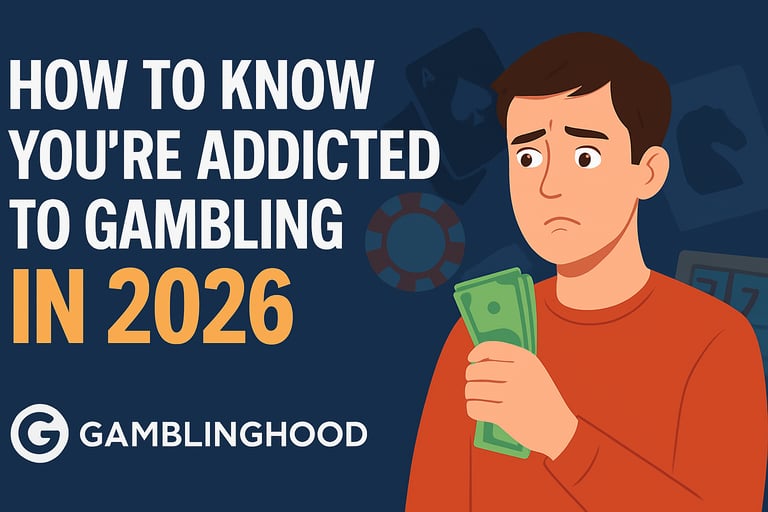
How to Know You’re Addicted to Gambling in 2026
The global gambling industry has grown massively in 2026 — online betting, crypto casinos, fantasy sports, and live poker are more accessible than ever. But with that rise comes a darker reality: gambling addiction. Many players don’t realize they’re addicted until they’ve lost their money, relationships, and peace of mind.
This Gamblinghood 2026 guide helps you understand whether your gambling habits have crossed into addiction — and what you can do next to break free.
Understanding Gambling Addiction in 2026
Gambling addiction, also called compulsive gambling or gambling disorder, is when the thrill of betting turns into a destructive obsession. In 2026, new digital platforms, AI-based betting signals, and crypto wagering have made gambling faster and more immersive — making it easier to get hooked without noticing.
Studies from multiple responsible gaming foundations show that gambling addiction now affects over 3% of active bettors worldwide — and the number is increasing.
The Hidden Signs You Might Be Addicted to Gambling
Addiction rarely happens overnight. It grows quietly. Here are the clearest red flags you should watch out for:
Emotional and Mental Signs
Constantly thinking about gambling — even when doing other things.
Feeling restless or anxious when not gambling.
Using gambling to escape stress, sadness, or boredom.
Feeling guilt or shame after losing but continuing to bet.
Behavioral Signs
Increasing your bets to chase the same excitement (“tolerance build-up”).
Lying to friends or family about gambling habits.
Borrowing or using credit cards to fund bets.
Missing work, studies, or important events due to gambling sessions.
Financial Signs
Struggling to pay bills or debts due to gambling losses.
Frequently “chasing losses” — trying to win back what you lost.
Selling assets or taking loans for gambling.
Depending on gambling wins to survive financially.
If three or more of these sound familiar, it’s a strong signal you may be developing a gambling problem.
Why People Don’t Realize They’re Addicted
Many gamblers in 2026 think they’re just “playing for fun” or “investing in luck.” But addiction hides behind denial. You might tell yourself:
“I’ll stop once I win back what I lost.”
“It’s just a hobby.”
“Everyone gambles these days.”
These are common rationalizations used by problem gamblers. The digital age — with apps, notifications, and instant crypto payments — blurs the line between casual and compulsive gambling more than ever before.
The Science Behind Gambling Addiction
When you gamble, your brain releases dopamine, the same chemical linked to pleasure and reward. The more you bet, the more your brain craves that rush.
Modern online casinos and sports betting apps are designed with psychological triggers — bright colors, near-miss sounds, fast rewards — that mimic video game addiction.
In 2026, AI-driven betting systems and live odds updates make gambling even more immersive. You can place a bet on your phone in under 10 seconds. This speed fuels addiction because there’s almost no pause for self-control.
Gambling Addiction vs. High-Engagement Betting
Not everyone who gambles a lot is addicted. But here’s the difference:
High-Engagement Betting: You decide when to stop, gamble for entertainment, and stay within limits.
Gambling Addiction: You can’t stop even when losing, gamble to escape emotions, and end up in financial or emotional distress.
If you’re gambling to “feel okay” rather than “have fun,” that’s a warning sign.
The Digital Traps of 2026
Crypto Casinos – Anonymous, fast, and available 24/7, crypto gambling sites make it easier to hide addiction.
AI Betting Bots – AI tools predict odds, giving a false sense of control. But most gamblers still lose over time.
Social Gambling & Streamers – Watching gambling streams on platforms like Twitch or Kick normalizes risky betting, especially for younger audiences.
These modern systems are not inherently evil — but they are engineered for maximum engagement, not your well-being.
The Real Cost of Gambling Addiction
Financial Impact: Addicts can lose entire savings, homes, or relationships. The “chasing losses” loop is a financial trap that rarely ends well.
Mental Health Impact: Anxiety, depression, sleeplessness, and even suicidal thoughts are commonly linked to gambling disorder.
Social Impact: Addiction leads to isolation, broken trust, and family conflicts. You might find yourself lying to loved ones or avoiding them altogether.
How to Test Yourself for Gambling Addiction (2026 Self-Check)
Ask yourself these 10 questions:
Do you think about gambling all day?
Have you tried to stop but failed?
Do you hide your gambling activity?
Do you gamble to escape reality?
Have you borrowed money for gambling?
Do you lie about how much you spend?
Do losses make you bet more?
Do you miss work or study to gamble?
Do you feel depressed or anxious after losing?
Do you still gamble despite knowing the harm?
If you answered “yes” to five or more, it’s time to seek help.
Steps to Overcome Gambling Addiction
Accept the Problem – The first step is admitting you’ve lost control. There’s no shame — gambling platforms are designed to trap you.
Set Financial Boundaries – Block gambling transactions on your bank or crypto wallet, set strict daily or weekly spending limits, and use apps that track where your money goes.
Seek Professional Support – Talk to a therapist specializing in addiction, join a Gamblers Anonymous group, or use online therapy platforms in 2026 for gamblers.
Replace Gambling with Positive Habits – Exercise, learn investing or trading (non-gambling), and spend time in community groups.
Use Tech to Help You Quit – Tools like BetBlocker or GamBan restrict access to gambling websites and apps.
How Gamblinghood Can Help in 2026
At Gamblinghood, we’re focused on responsible gaming and financial education. Our 2026 initiative helps users track betting behavior, identify risky patterns, and access free mental health resources.
Gamblinghood believes you can enjoy gambling only if it stays under your control.
Conclusion: Awareness is Power
If you’ve started noticing emotional, financial, or behavioral changes tied to gambling — act now. Addiction grows in silence, but recovery begins with awareness.
The future of gambling in 2026 is brighter, safer, and more transparent — but only if players like you take responsibility.
Stay smart, gamble responsibly, and remember — awareness today saves your future tomorrow.
© 2026 All rights reserved.
Follow us
Quick Links