Why Casinos Give Free Alcohol to Gamblers in 2026 – The Real Strategy Explained | Gamblinghood
Why do casinos offer free alcohol to gamblers in 2026? Understand the psychology, business strategy, profit model, and hidden risks behind free drinks in casinos. Explained by Gamblinghood.
AWARENESS
12/14/20253 min read
Introduction: Free Alcohol Is Never Really Free
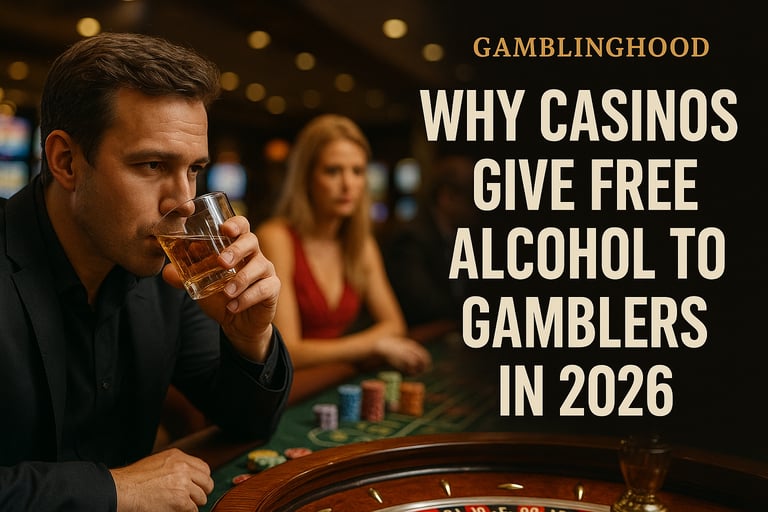
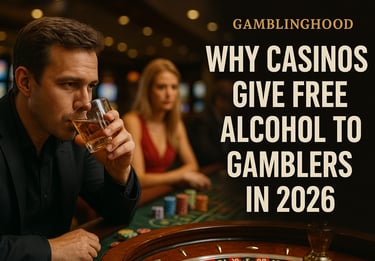
If you have ever visited a casino, one thing becomes obvious very quickly — drinks keep coming without you asking for them. Beer, whiskey, cocktails, wine — often free or extremely cheap, especially for gamblers actively playing.
In 2026, casinos still follow this practice worldwide, from Las Vegas to Macau to online-linked physical casinos. Many gamblers believe casinos are simply being generous. In reality, free alcohol is one of the most calculated profit tools in the gambling industry.
This Gamblinghood guide explains why casinos give free alcohol, how it affects your decisions, and why this strategy continues to work so effectively in 2026.
The Core Truth: Casinos Are Psychology Businesses
Casinos are not just gaming venues. They are behavior-engineering environments designed to:
Keep you playing longer
Reduce rational thinking
Increase betting size
Lower your awareness of losses
Free alcohol plays a critical role in this system.
How Alcohol Changes the Gambler’s Brain
Alcohol directly affects the brain areas responsible for:
Decision-making
Risk assessment
Self-control
Memory formation
After just a few drinks:
You feel more confident
Losses feel less painful
Winning feels exaggerated
You take bigger risks
For a casino, this is extremely profitable behavior.
Why Casinos Can Afford Free Alcohol
Alcohol Costs Are Tiny Compared to Gambling Losses
The actual cost of alcohol for casinos is very low. Bulk alcohol prices are negligible compared to what gamblers lose per hour.
Example logic:
Cost of 3 drinks to casino: very small
Extra betting caused by alcohol: very large
From a business perspective, this is one of the highest return-on-investment strategies casinos have.
Alcohol Keeps Players Sitting Longer
Sober gamblers:
Get tired faster
Notice losses earlier
Take breaks
Drinking gamblers:
Stay seated longer
Play more hands/spins
Lose track of time
The longer you sit, the more the casino’s statistical edge works against you.
Time inside a casino equals money for the house.
Alcohol Reduces Loss Awareness
One of the most dangerous effects of alcohol in gambling is loss blunting.
Alcohol:
Makes losses feel “temporary”
Encourages chasing losses
Reduces emotional pain
Instead of stopping after losing, intoxicated players often think:
“Just one more round.”
That mindset is exactly what casinos want.
Free Alcohol Encourages Bigger Bets
Sober players usually:
Stick to limits
Bet cautiously
Drinking players:
Increase bet size
Take higher-risk games
Switch to faster games
Alcohol increases impulsivity, and impulsive bets favor the casino.
Casinos Do Not Push Alcohol on Non-Gamblers
Notice something important:
Casino staff focus free drinks on active gamblers
People just watching or walking rarely get attention
This is intentional. Alcohol is given where it directly increases betting activity.
Why This Strategy Still Works in 2026
Even in 2026, with more awareness and data, this strategy remains effective because:
Human psychology has not changed
Alcohol still impairs judgment
Casinos continuously refine behavioral analysis
Casinos now track:
Time spent gambling
Betting patterns
Response to alcohol
This allows them to optimize when and how drinks are served.
Alcohol + Casino Design = Perfect Trap
Alcohol is just one part of a larger system:
No clocks
No windows
Constant lights and sounds
Comfortable seating
Free drinks
All these elements work together to keep players disoriented and engaged.
Why Casinos Do Not Care If You Win While Drinking
Casinos do not mind small wins:
Wins encourage confidence
Confidence leads to bigger bets
Bigger bets increase long-term losses
Alcohol amplifies this cycle.
Online Casinos Use a Digital Version of Alcohol
In 2026, online casinos cannot serve alcohol, but they use similar tactics:
Bonus credits
Fake balance displays
Near-miss animations
Fast spin options
These tools aim to replicate the same mental effects alcohol creates in physical casinos.
Who Is Most Affected by Free Alcohol
Free alcohol affects:
New gamblers
Emotional players
Loss-chasing gamblers
People gambling to escape stress
Experienced professionals usually avoid alcohol while gambling for this reason.
Is Free Alcohol Illegal or Unethical?
Legally:
It is allowed in most jurisdictions
Ethically:
It is controversial
It exploits psychological vulnerability
Casinos operate within legal limits but push ethical boundaries.
How Smart Gamblers Protect Themselves
Professional and disciplined gamblers follow strict rules:
Never drink while gambling
Set fixed loss limits
Take frequent breaks
Track time and money manually
They understand that clarity beats comfort.
The Illusion of Hospitality
Casinos want you to feel:
Valued
Relaxed
Rewarded
Free alcohol creates the illusion of generosity, while the real goal is increased losses.
Why This Matters More in 2026
With rising living costs and financial stress in 2026, gambling losses hit harder than ever. Free alcohol increases:
Poor financial decisions
Emotional gambling
Long-term regret
Understanding this strategy helps people make informed choices.
Gamblinghood Perspective: Awareness Is Protection
At Gamblinghood, the goal is not to promote or shame gambling, but to explain how the system works.
Free alcohol is not a gift.
It is a tool.
Once you see it clearly, its power weakens.
Final Thoughts: Nothing Is Free in a Casino
Casinos do not serve free alcohol out of kindness. They serve it because:
It increases betting
It reduces control
It boosts profits
In gambling, clarity is your strongest defense.
The moment alcohol enters the equation, clarity disappears.
This guide is curated by Gamblinghood — helping people understand gambling psychology, hidden tactics, and how casinos really make money in 2026.
© 2026 All rights reserved.
Follow us
Quick Links