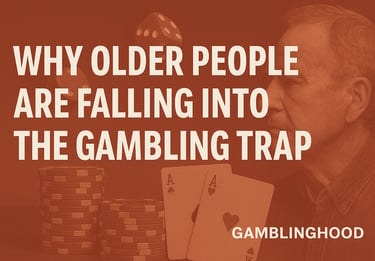
Why Older People Are Falling Into the Gambling Trap in 2026 | Gamblinghood Insight
This Gamblinghood analysis explores why older people are increasingly falling into gambling addiction in 2026, examining psychological vulnerability, loneliness, digital gambling access, retirement stress, targeted marketing, and the changing nature of casinos, betting apps, and online gaming platforms..
AWARENESS
12/15/20253 min read
Introduction: A Growing and Ignored Problem
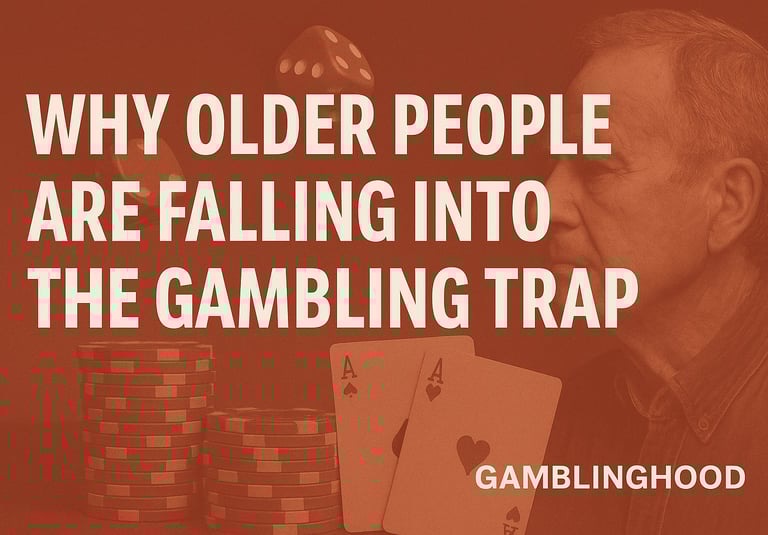
In 2026, gambling addiction is no longer limited to young adults or high-risk youth. One of the fastest-growing and most overlooked groups entering the gambling trap is older people, particularly those aged 45 and above.
From online casinos and betting apps to lottery games and digital card platforms, gambling has quietly become a coping mechanism for millions of older individuals. Gamblinghood examines why this demographic is increasingly vulnerable and why the problem often goes unnoticed until serious financial or emotional damage occurs.
Loneliness and Emotional Isolation
One of the strongest drivers behind gambling addiction among older people is loneliness.
Why Loneliness Hits Hard After Midlife
Children move away or become independent
Social circles shrink due to work retirement or health issues
Spousal loss or emotional distance increases isolation
Gambling platforms offer instant engagement, interaction, and excitement — temporarily filling emotional gaps.
For many older individuals, gambling is not about money at first; it is about feeling alive and connected again.
Retirement Stress and Identity Loss
Retirement brings freedom, but it also brings uncertainty.
Psychological Impact of Retirement
Loss of daily routine
Reduced sense of purpose
Fear of becoming irrelevant
Gambling introduces:
Clear goals (win, beat the system)
Measurable outcomes
A false sense of control
This structured stimulation can be dangerously addictive, especially for individuals who once held decision-making roles or positions of authority.
Easy Digital Access in 2026
The gambling industry has evolved rapidly.
Why Gambling Is Harder to Escape Now
Gambling apps are available 24/7
No physical travel is required
Transactions feel “cashless” and painless
In 2026, gambling does not feel like gambling. It feels like:
A game
A financial opportunity
A harmless pastime
This illusion lowers psychological resistance, especially among older users who may not fully understand algorithm-driven addiction design.
Targeted Marketing Toward Older Adults
Modern gambling platforms are highly data-driven.
How Older People Are Targeted
Ads emphasizing “smart betting” and “experience-based wins”
Promotions linked to sports nostalgia or traditional games
Loyalty programs that reward frequent small bets
Unlike flashy ads aimed at youth, marketing toward older adults focuses on trust, comfort, and familiarity.
This makes gambling feel respectable rather than risky.
False Confidence From Life Experience
Older individuals often believe they are less vulnerable.
The Dangerous Thought Pattern
“I’ve seen life, I won’t get addicted”
“I only play with spare money”
“I’m more disciplined than young people”
Ironically, this confidence delays self-awareness and prevents early intervention. Gamblinghood notes that addiction often develops slowly and silently in this age group.
Financial Pressure and the Hope of Recovery
Many older adults face hidden financial stress.
Common Pressures
Insufficient retirement savings
Medical expenses
Family financial responsibilities
Gambling offers the illusion of:
Quick recovery
One lucky win solving everything
Losses are often justified as “almost winning,” creating a cycle of chasing losses that is emotionally devastating.
Social Acceptance of Gambling in 2026
Gambling is increasingly normalized.
Betting is discussed openly
Online games are socially shared
Losses are joked about, not warned against
This normalization removes stigma, but it also removes caution. For older people, gambling becomes a socially acceptable escape rather than a visible risk.
Why Families Often Miss the Signs
Gambling addiction in older people is easy to hide.
Commonly Missed Warning Signs
Increased secrecy around finances
Mood swings linked to betting outcomes
Withdrawal from family conversations
Rationalizing losses calmly
Unlike substance addiction, gambling leaves no physical signs — only emotional and financial scars.
Why This Problem Is Growing in 2026
According to Gamblinghood’s analysis, the trend is accelerating due to:
Longer life expectancy
Increased digital literacy among older adults
Aggressive gambling platform expansion
Reduced community engagement
The problem is not a lack of intelligence — it is a lack of emotional safeguards.
How the Gambling Trap Works Psychologically
Gambling platforms exploit:
Dopamine reward cycles
Near-win mechanics
Loss masking through bonuses
Time distortion
Older adults, especially those dealing with emotional emptiness, are particularly susceptible to these patterns.
Gamblinghood Perspective: This Is Not a Moral Failure
It is critical to understand that falling into gambling addiction is not weakness.
It is the result of:
Psychological vulnerability
Emotional needs
Technological manipulation
Blame does not solve the issue. Awareness does.
What Can Help Reduce the Risk
At the Individual Level
Maintaining social engagement
Setting strict financial boundaries
Treating gambling as high-risk entertainment
At the Family Level
Open conversations without judgment
Monitoring sudden financial changes
Encouraging purpose-driven activities
Conclusion
In 2026, older people are falling into the gambling trap not because they are careless, but because gambling has evolved to exploit emotional, psychological, and social vulnerabilities.
Loneliness, retirement stress, digital access, and targeted marketing have created a perfect storm that often goes unnoticed until serious damage occurs.
Understanding the problem is the first step toward prevention.
For deeper insights into gambling behavior, addiction patterns, and responsible awareness, Gamblinghood continues to explore the realities behind modern gambling culture.
© 2026 All rights reserved.
Follow us
Quick Links